Shelf styling for a calm, neutral home
How to arrange open shelves with books, ceramics, and storage so they look tidy and personal, not crowded.
Published 2026-10-10
Some links in this guide are affiliate links. If you use one, Ramelia may earn a commission, at no extra cost to you. Affiliate disclosure.
Open shelves are useful, but they can turn into a place where things pile up. Styled well, they show what you love and still look calm. The good news is that shelf styling follows a few simple rules, and you can usually do it with things you already own.
Start by emptying the shelf
Take everything off. Wipe the shelf. Sort what you removed into three groups:
- Things you use often (they need easy reach).
- Things you love to look at.
- Things that should live somewhere else.
Only the first two groups go back. The third group goes into a drawer, a box, or out of the house.
Use a few anchor pieces
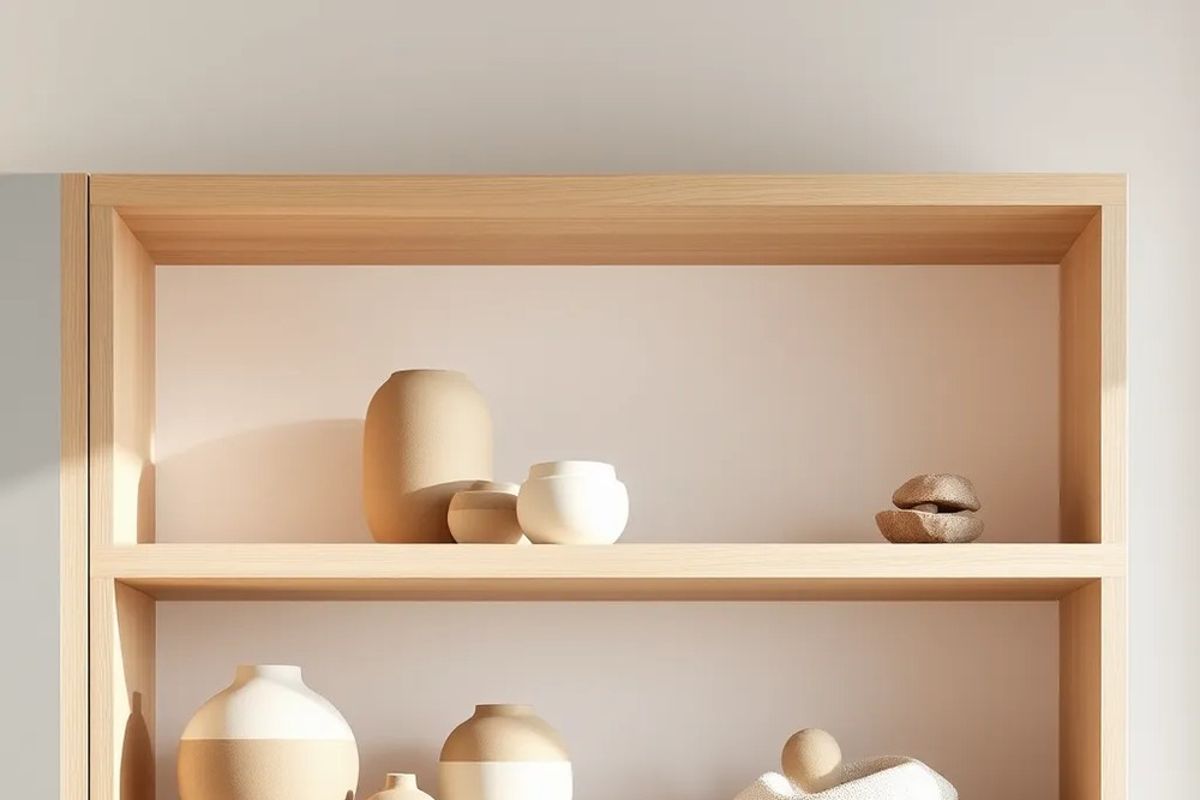
Anchors are larger objects that give each shelf structure. They might be a stack of books, a big vase, a framed print leaning against the back, or a storage box.
Place one anchor per shelf, and stagger them: left on the top shelf, right on the next, left again below. This zigzag moves the eye across the whole unit instead of stopping at one side.
Group in odd numbers
Groups of three or five look more natural than pairs. Within a group, vary height: one tall, one medium, one small. Vary shape too: a round vase next to a square box next to a flat bowl.
Leave space between groups. Empty space is part of the styling. A good starting point is to leave roughly a third of each shelf clear.
Books, three ways
Books are the most common shelf item, and they can be styled in several ways.
- Upright in a row, held by a bookend or a heavy object.
- Stacked horizontally, with a small object on top.
- Mixed: a short upright row next to a small stack.
Sorting by colour looks neat but can make books hard to find. Sorting by height is a calm middle ground. Turning spines inward hides titles, which is not practical; we would avoid it.
A limited palette
Pick two or three main colours for objects and stick to them. Cream, sand, warm white, and natural wood give a soft look. Add one darker tone, such as black or deep brown, in a few small pieces to stop the shelves looking washed out.
Repeating a colour or material on different shelves ties the whole unit together. Three cream ceramics spread across three shelves look intentional.
Mix textures
In a neutral palette, texture does the work that colour usually does.
- Matte ceramics next to glossy glazes.
- Woven baskets next to smooth wood.
- Linen boxes next to glass.
- A trailing plant to soften hard lines.
If you use a real plant, check that it suits the light on that shelf and that the pot has a saucer to protect the wood.
Browse vases on Answear Affiliate link Browse storage boxes on Answear Affiliate link
Hide the practical things
Shelves still have to work. Lidded boxes and baskets keep chargers, paperwork, and small items out of sight. Choose boxes in one colour or material so they read as a single calm block.
Put the things you use most at a height between your waist and your eyes. Put heavier items low, for safety and stability. If you have children or pets, fix tall units to the wall.
Light the shelf
A small lamp on a shelf, or a warm LED strip underneath, makes objects look softer in the evening. Keep lamps stable and cables tidy. Our guide to a cozy autumn living room has more on layered lighting.
Personal pieces
A shelf that looks like a catalogue can feel cold. Add a few personal things: a photo in a simple frame, a souvenir, a small drawing by someone you know. One or two personal pieces per unit is usually enough.
Keep it fresh
Shelves collect dust and new objects. Once a month, wipe them and remove anything that does not belong. Once a season, swap a couple of objects for something stored away. It feels new without buying anything.
Common mistakes
- Filling every inch of space.
- Lots of very small objects in a row.
- All objects the same height.
- Too many colours.
- Practical clutter left in the open.
A short checklist
Does each shelf have one anchor? Are objects grouped in odd numbers with different heights? Is about a third of each shelf empty? Are practical items in boxes? Is there at least one personal touch? If yes, your shelves will look calm and lived-in.
Related guides
Home
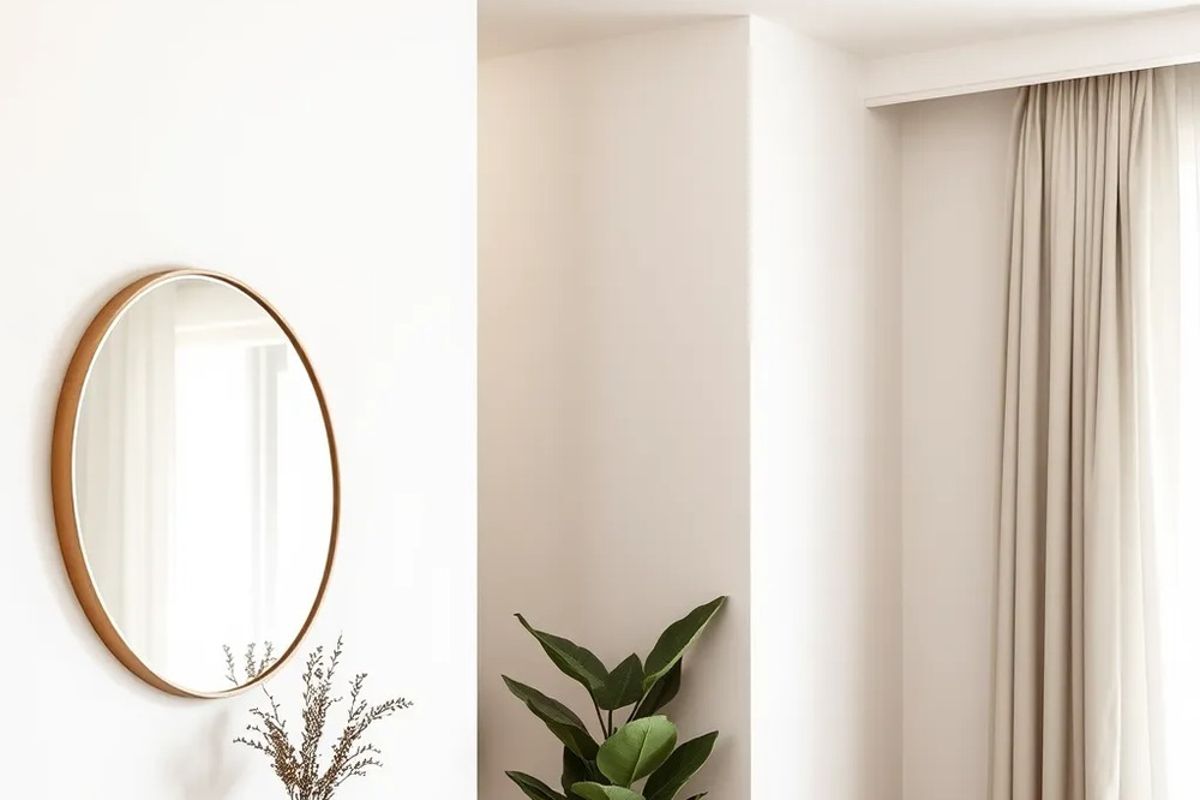
Ways to make a small space feel bigger
Practical layout, light, colour, and storage ideas that make small rooms and studios feel more open and easier to live in.
Home
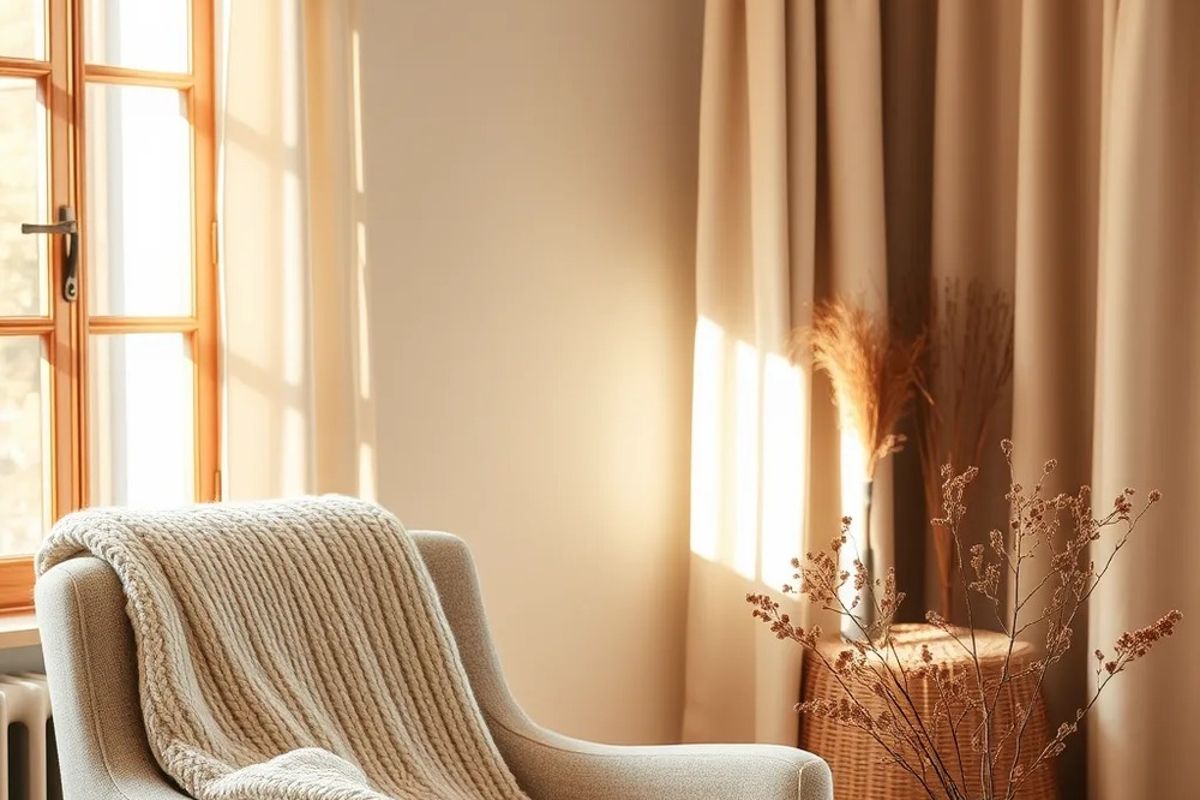
A cozy autumn living room with warm neutrals and soft light
Textiles, lighting, colour, and small seasonal touches that make a living room feel warmer without a full makeover.
Home
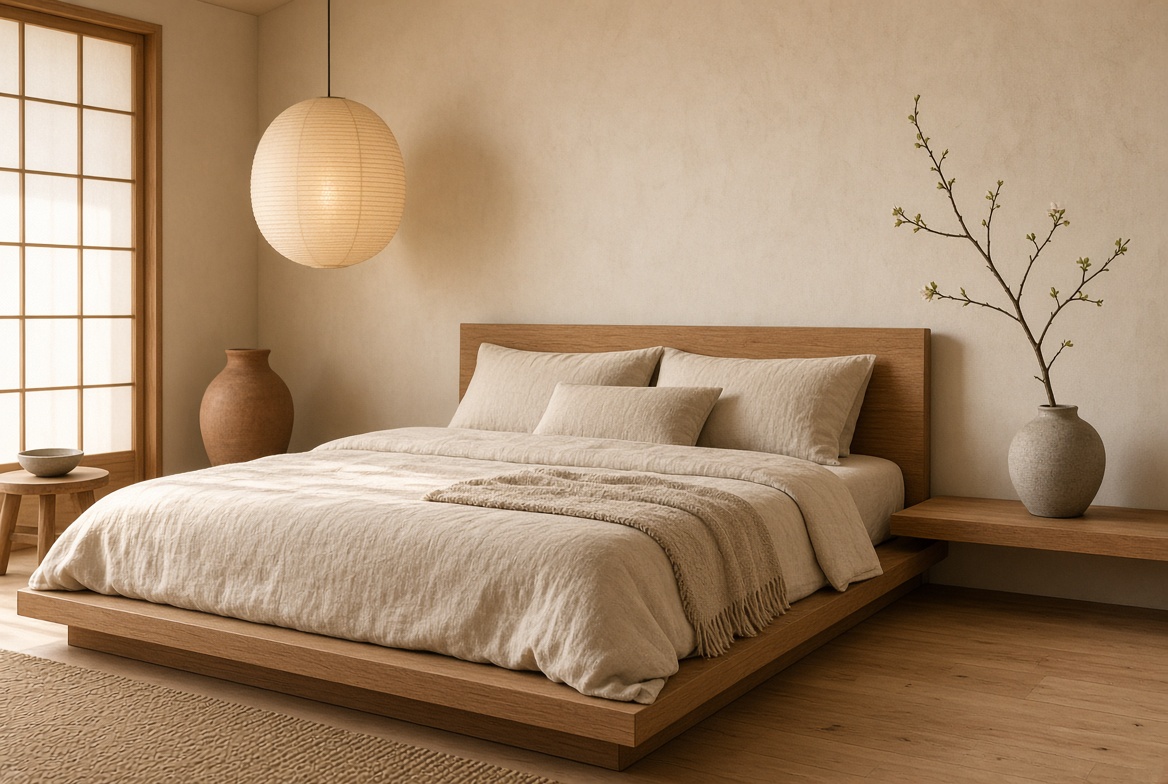
A Japandi bedroom you can actually sleep in
How to mix low wood, linen, and empty wall space without turning the room into a showroom.