Winter skincare for skin that feels dry
Gentle habits, richer textures, and small changes at home that make skin feel more comfortable in cold, heated months.
Published 2026-10-10
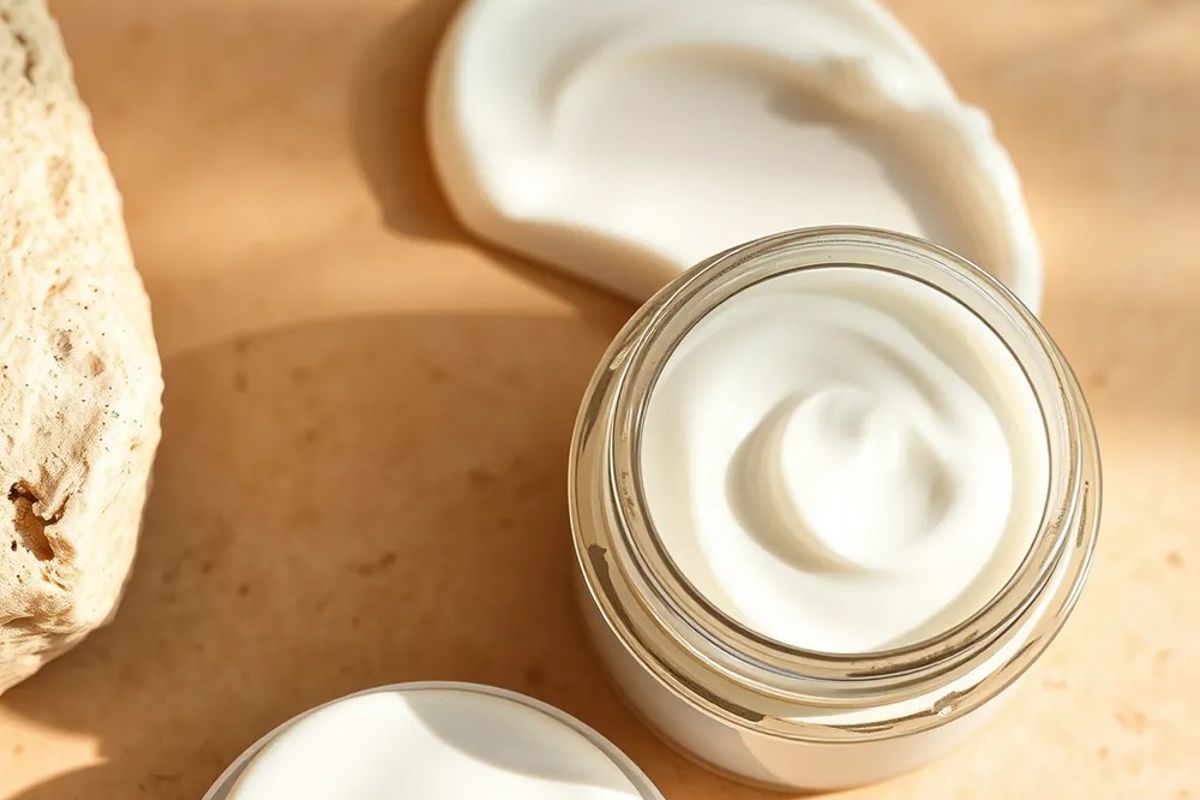
Cold air outside and heated air inside can leave skin feeling tight by evening. This guide is about comfort: habits and textures that many people find more pleasant in winter. It does not diagnose or treat any condition. If your skin is cracked, itchy, painful, or does not improve, see a pharmacist, doctor, or dermatologist.
Why winter feels different
In winter the air is often drier, especially in heated rooms. Wind and cold can make the skin on your face and hands feel rough. Hot showers feel wonderful in January, but many people notice their skin feels tighter afterwards. None of this means something is wrong. It just means the routine that worked in summer may feel less comfortable now.
Gentler cleansing
The first change is often the simplest: be gentler when you wash.
- Use lukewarm water instead of hot.
- Choose a cleanser that does not leave your face feeling squeaky. Cream, milk, or gel-cream textures are common winter choices.
- Keep cleansing short, around thirty seconds to a minute.
- Pat dry with a soft towel instead of rubbing.
If you do not wear makeup or sunscreen, some people prefer to rinse with water in the morning and cleanse properly only at night. See what feels comfortable for you.
Richer textures, used kindly
Moisturizers come in many textures. In winter, many people move from a light lotion to a cream or a balm.
A useful approach is layering thin textures under thicker ones: something watery first (if you use it), then a cream. Apply moisturizer to skin that is still slightly damp after washing; many people find it spreads more easily.
A facial oil can be pressed on top of a cream at night if your skin likes it. Use a few drops, not a full pipette.
Introduce new products one at a time, follow the label, and patch test first. If something stings or causes redness, stop.
Don’t forget sun protection
Winter daylight is shorter, but many people still use sunscreen on exposed skin, especially on bright days or near snow. Use the amount the label recommends and reapply as directed when you are outside for long periods.
Lips and hands
Lips and hands are often the first places to feel dry.
- Keep a lip balm in your coat pocket and one by your bed.
- Avoid licking your lips in the cold; it tends to make them feel drier.
- Wear gloves outside. Our winter accessories guide covers how to choose a pair that blocks wind.
- Use hand cream after washing your hands, especially if you wash them often.
At night, a thicker layer of hand cream under cotton gloves is an old habit many people still like.
Small changes at home
Your room affects how your skin feels.
- A humidifier in the bedroom adds moisture to dry heated air. Clean it as the manufacturer instructs; a dirty humidifier is not pleasant to breathe near.
- Do not sleep with your face right next to a radiator.
- Drink water through the day. It will not fix dry skin by itself, but being thirsty does not help anyone feel good.
- Change pillowcases regularly.
Showers and baths
A long, very hot bath is one of the best things about winter, and also one of the reasons skin can feel tight afterwards. If you notice this, try:
- Keeping the water warm rather than hot.
- Keeping showers shorter.
- Applying body lotion or cream within a few minutes after drying off.
- Choosing a gentle body wash.
A simple winter routine
Morning: rinse or gentle cleanse, moisturizer, sunscreen, lip balm.
Evening: gentle cleanse, optional serum, a richer cream, lip balm, hand cream.
That is all. If you already have a morning routine and an evening routine, you can keep them and just swap to richer textures.
When to get advice
Some skin changes need a professional. If you notice patches that are very red, scaly, cracked, bleeding, or itchy, or if dryness does not get better with gentle care, ask a pharmacist or doctor. Please do not try to treat it with more products.
A short checklist
Are you using lukewarm water? Is your moisturizer comfortable by evening? Do you have balm for lips and cream for hands? Is the bedroom air very dry? A few small answers here usually make winter feel more comfortable.
Related guides
Beauty
An evening wind-down routine in four simple steps
Cleanse, a short skincare step, moisturize, and rest. A calm evening routine you can actually keep on busy weeknights.
Beauty
A morning skincare routine you can finish
A short order for cleanser, moisturizer, and sunscreen, without medical claims.

Beauty
Minimalist makeup essentials for an everyday neutral look
A short list of makeup basics, how to choose shades, and a five-minute routine for a calm, natural finish.