A morning skincare routine you can finish
A short order for cleanser, moisturizer, and sunscreen, without medical claims.
Published 2026-10-09
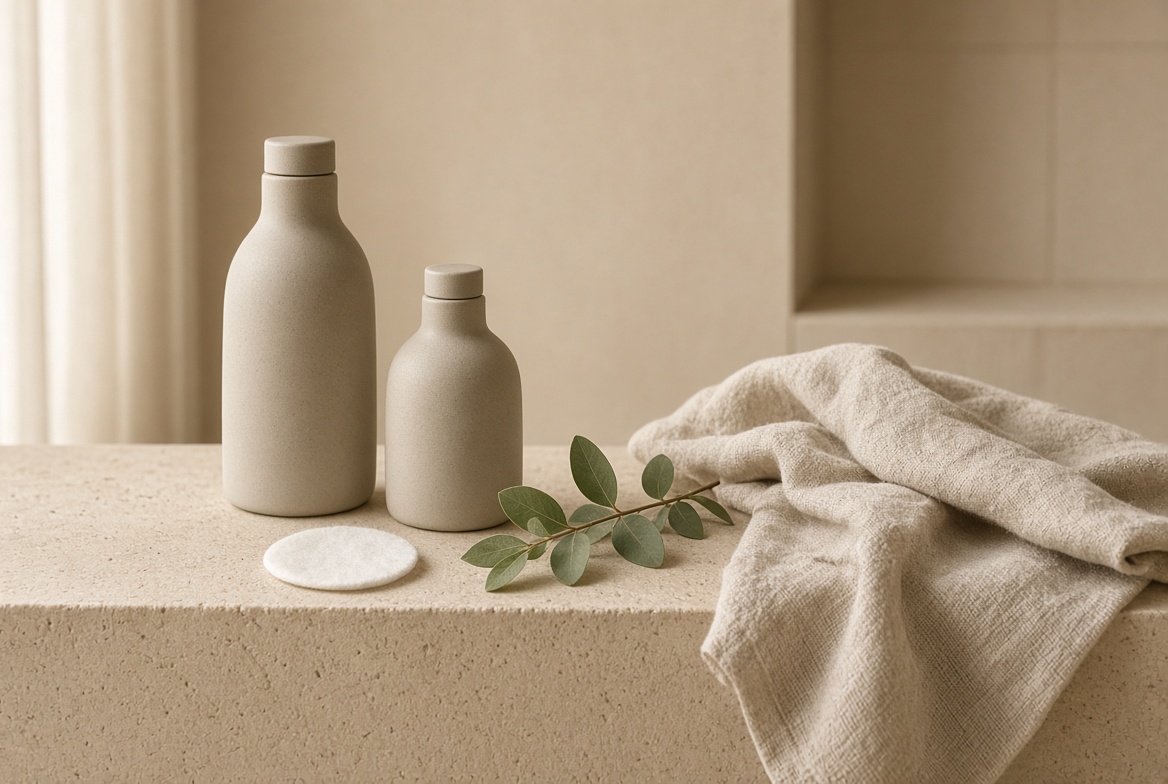
A morning routine only helps if you finish it. Three steps are enough for most weekdays: clean what the night left on the skin, add a moisturizer if the skin feels tight, and put on sunscreen before you go out. This note is about order and habit. It does not diagnose skin, and it does not say that any product treats, cures, or fixes a condition.
Why the order is short
Cleanser removes sweat, residue, and the feel of the night. Moisturizer slows the tight feeling that water and indoor heat can leave. Sunscreen is the step for daylight. Adding more bottles does not make the routine better if you skip them on busy mornings. Keep the extra steps for evenings, or for days when you have time.
Use products you can identify without reading a tiny label in bad light. A pump or a wide lid is easier than a bottle you have to tip with wet hands. Store the three steps together, in the order you use them, so the routine does not depend on memory.
Clean, then leave the skin damp
If you wore nothing on your face overnight, a rinse with lukewarm water can be enough. If you used a cream or balm at night, a gentle cleanser helps remove the film so the next layer sits evenly. Use your hands, not a rough cloth, unless the cloth is soft and you are only patting.
Pat, do not rub dry. Leave the skin slightly damp. Moisturizer spreads further on damp skin, and you use less of it. If your skin feels comfortable after a rinse and does not feel tight an hour later, you may not need a heavy cream. A light lotion is a reasonable default for daytime under sunscreen.
Avoid stacking many leave-on products in the morning. Each extra layer is another chance to pill under sunscreen, and another minute you may not have. If you use a vitamin C serum or a similar watery step, put it on after cleansing and before moisturizer, and give it a short moment to dry. If it stings in a way you do not want, stop using it. Stinging is a reason to pause, not a sign to push through.
Moisturizer as a comfort step
Moisturizer is there to make the skin feel comfortable, not to promise a result. A cream with a richer feel suits dry indoor air. A gel lotion suits skin that feels oily by mid-morning. You can use a different texture in winter and in summer. There is no need to finish a jar that no longer feels right.
Apply it while the skin is damp, including the neck if that area feels dry. Wait until the face does not feel wet before sunscreen. Sunscreen over a slippery cream slides off more easily, and it can pill. A minute of waiting is usually enough.
Hands need the same idea, not a separate system. The cream left on your fingers can go on the backs of your hands. Keep a tube where you dry them.
Sunscreen before daylight
Put sunscreen on last, on the face, ears, neck, and any other skin that will be in the sun. Use enough that the layer is visible for a moment before you spread it. A common face amount is two finger-lengths for the face and neck, as a starting point, not a medical dose. Reapply if you are outside for a long stretch and the first layer has been rubbed away by a collar, a mask, or a towel. Makeup, if you wear it, goes on after sunscreen has settled.
Choose a texture you will actually wear. A sunscreen that pills or stings will stay in the drawer. Mineral and chemical filters both exist; pick by feel and by the label’s sun protection factor, not by a slogan. Indoor daylight through a window is still light. If you sit by a window for hours, the morning layer still matters.
Making it stick on a weekday
Set the bottles in a row the night before. Keep a small cloth or cotton pad only if you use one. Do the routine before you check your phone, so it is not competing with a scroll. If you have five minutes, you have enough for these three steps.
Skip a step only on purpose. Water and sunscreen, with no moisturizer, is a valid short version when the skin already feels comfortable. Cleanser and moisturizer, with sunscreen forgotten by the door, is the version that fails on a bright day. Put the sunscreen where you keep your keys if you keep forgetting it.
None of this replaces advice from a clinician. If your skin is painful, rapidly changing, or worrying you, ask a qualified professional. A guide can only describe a simple order for ordinary mornings.
Related guides
Beauty
An evening wind-down routine in four simple steps
Cleanse, a short skincare step, moisturize, and rest. A calm evening routine you can actually keep on busy weeknights.
Beauty
Winter skincare for skin that feels dry
Gentle habits, richer textures, and small changes at home that make skin feel more comfortable in cold, heated months.
Beauty
Minimalist makeup essentials for an everyday neutral look
A short list of makeup basics, how to choose shades, and a five-minute routine for a calm, natural finish.